1. Stay out and call
Keep everyone out of the space and do not touch what you see. The team asks a few questions to plan the job.
Long Prairie, MN · Todd County
A tenant moved out and left drug use items behind. A relative needs help clearing a room. In Long Prairie, call (877) 812-4220 for safe collection, cleaning and disposal.
If anyone is in danger, call 911 first. For a suicide crisis, call or text 988.
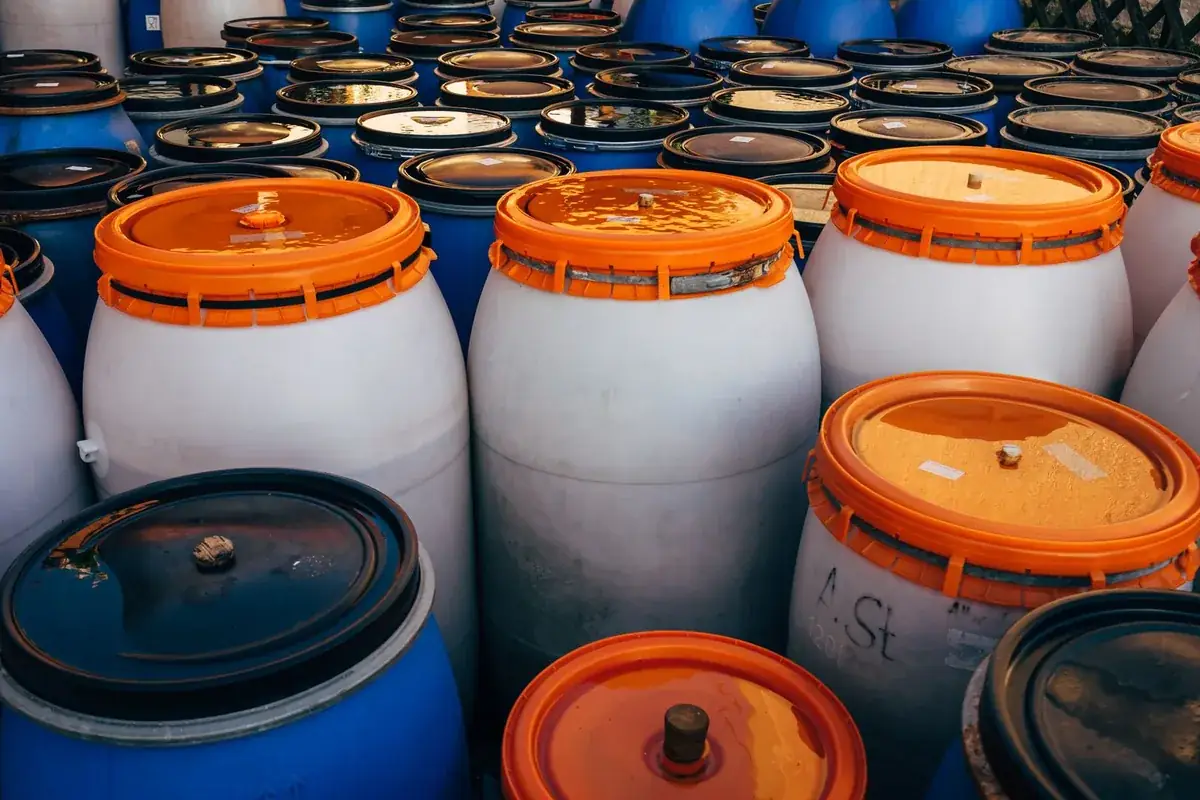
When items from drug use are left behind in a home or business, removal should be done with protective equipment. A cleanup team does the work so owners and families do not risk exposure.
When your Long Prairie home needs cleaning after a police investigation, you can call Long Prairie Biohazard Cleanup Help after law enforcement releases the property. Crews remove items, treat surfaces and haul away waste in Todd County.
Most homes in Todd County are owner occupied, with renters at only about 17% of households, so many calls come from families clearing a home or room. If anyone is unresponsive or hurt, call 911. The nearest emergency room to Long Prairie is Centracare - Long Prairie Hospital in Long Prairie, about 1 miles away.
Drug Paraphernalia Cleanup in Long Prairie usually includes:
Keep everyone out of the space and do not touch what you see. The team asks a few questions to plan the job.
The team looks over the rooms and decides which items, surfaces and materials need attention.
Remaining paraphernalia is removed, and surfaces with residue are cleaned or taken out.
A last pass checks for missed items, and the owner receives guidance on next steps.
The cost of drug paraphernalia cleanup in Long Prairie, MN depends on the amount of material, how it is packed and how it is hauled.
How many items and sharps are present changes the scope, because each needle has to be found, lifted and sealed.
| Type of job | Typical range |
|---|
These ranges come from published cost guides () and are not a quote for Long Prairie. Price drivers include amount of material, whether residue is present, surfaces affected, waste disposal. For a real number, call (877) 812-4220.
Police and the city do not usually clean the space afterward. The owner or the family books the cleanup once the scene is released. A cleanup team can work after the release and explain the steps. Ask the agency when the space is cleared.
Sometimes. Some homeowners and renters policies cover cleanup after a covered event, and some limit or exclude claims tied to illegal activity. Check your policy, call your insurance company before work starts, take photos if you can, and keep every receipt.
The owner of the property usually pays at first. Lease terms and local law decide who is responsible in the end. A landlord, an attorney or a tenant rights group can say. Keep any record the cleanup team gives you, since a landlord or insurer may ask for it.
It can. Once soiled items are removed, a team can treat lingering odor in the air and on surfaces. Ask what methods the team uses and whether odor treatment is part of the plan or a separate step.
Vehicles can hold syringes, residue and odor in seats, carpets and vents. Ask whether the team cleans vehicles and how soft materials are treated. Crews use the same protective gear and sealed containers as in a building.
No. A good team asks only what it needs to plan the work, and you decide what to share. If privacy matters, ask about discreet, unmarked arrival when you call. Teams differ, so ask how the call and the visit are handled.
Describe what you found and ask how removal and cleaning would work.
Call (877) 812-4220